Creating Calm: Your Guide to Japanese-Scandinavian Teaware
- Springdays Vlog
- 4 days ago
- 4 min read

In a world that often feels chaotic and overwhelming, finding moments of tranquility is essential. One way to cultivate calm is through the art of tea drinking, particularly with teaware that embodies the serene aesthetics of Japanese and Scandinavian design. This blog post will explore the beauty and functionality of Japanese-Scandinavian teaware, offering insights into how you can create a peaceful tea ritual in your own home.
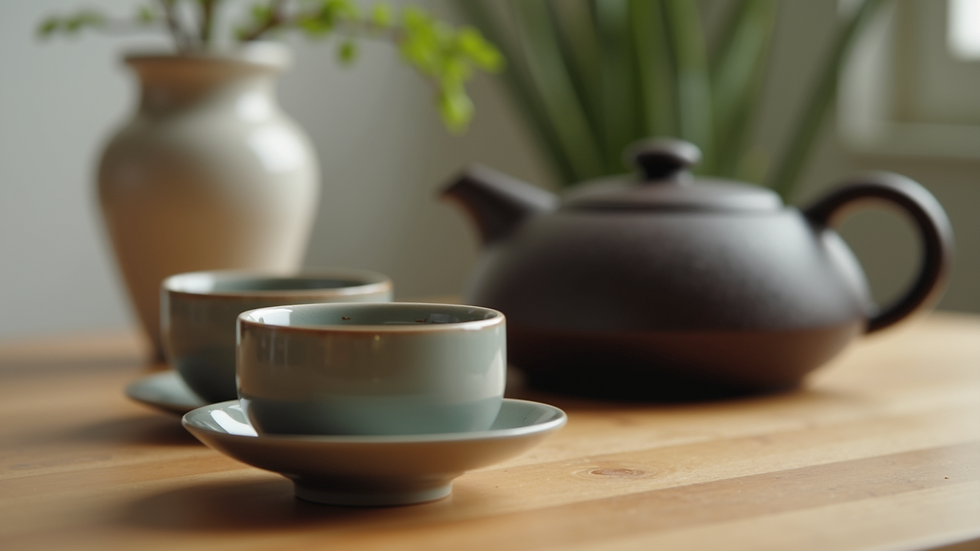
The Essence of Japanese Teaware
Japanese teaware is renowned for its elegance and simplicity. Each piece is crafted with a deep respect for nature and tradition, reflecting the philosophy of wabi-sabi, which finds beauty in imperfection and transience. Here are some key elements that define Japanese teaware:
1. Materials
Japanese teaware is often made from high-quality ceramics, porcelain, and clay. The materials used are chosen for their ability to enhance the tea's flavor and aroma. For example:
Yaki-yaki (Japanese pottery): This traditional pottery is known for its unique textures and earthy tones, which can add a rustic charm to your tea experience.
Kyusu (Japanese teapot): Typically made from clay, a kyusu is designed to brew green tea perfectly, allowing the leaves to expand and release their flavors.
2. Design Philosophy
The design of Japanese teaware emphasizes minimalism and functionality. Each piece is thoughtfully designed to enhance the tea-drinking experience. For instance:
Tea cups: Often small and delicate, Japanese tea cups are designed to fit comfortably in the hand, allowing for a more intimate connection with the tea.
Teapots: The spouts of Japanese teapots are crafted to pour smoothly, minimizing spills and ensuring a graceful serving.
3. Rituals and Traditions
Tea drinking in Japan is not just about the beverage; it is a ritual that promotes mindfulness. The Japanese tea ceremony, or chanoyu, is a beautiful example of this. It involves precise movements and a deep appreciation for the moment, encouraging participants to slow down and savor the experience.
The Allure of Scandinavian Teaware
Scandinavian design is celebrated for its clean lines, functionality, and connection to nature. When combined with Japanese aesthetics, it creates a unique blend that is both calming and visually appealing. Here are some characteristics of Scandinavian teaware:
1. Natural Materials
Scandinavian teaware often incorporates natural materials such as wood, glass, and stone. These materials not only enhance the visual appeal but also create a sense of warmth and comfort. For example:
Wooden tea trays: A beautifully crafted wooden tray can serve as a stunning base for your teaware, adding an organic touch to your tea setup.
Glass teapots: Clear glass teapots allow you to appreciate the color and clarity of the tea, making the brewing process a visual delight.
2. Functional Design
Scandinavian teaware is designed with practicality in mind. The focus is on creating pieces that are easy to use and maintain. For instance:
Stackable tea cups: Many Scandinavian tea cups are designed to be stackable, saving space in your kitchen while maintaining a sleek aesthetic.
Multi-functional teapots: Some teapots come with built-in infusers, allowing you to brew loose leaf tea without the need for additional tools.
3. Emphasis on Light and Space
Scandinavian design often emphasizes light and open spaces. This philosophy can be reflected in your tea-drinking environment. Consider:
Bright, airy spaces: Create a tea corner in your home that is filled with natural light, using light-colored teaware to enhance the feeling of openness.
Minimal decor: Keep the surrounding decor simple and uncluttered to allow the beauty of your teaware to shine.
Creating Your Calm Tea Ritual
Now that we've explored the beauty of Japanese and Scandinavian teaware, let's discuss how to create your own calming tea ritual at home. Here are some practical steps to help you get started:
1. Choose Your Teaware
Select teaware that resonates with you. Consider the following:
Mix and match: Feel free to combine Japanese and Scandinavian pieces to create a unique collection that reflects your personal style.
Quality over quantity: Invest in a few high-quality pieces that you truly love, rather than a large number of items that may not bring you joy.
2. Set the Scene
Create a calming environment for your tea ritual. Here are some ideas:
Lighting: Use soft, warm lighting to create a cozy atmosphere. Candles can also add a soothing touch.
Nature elements: Incorporate plants or natural materials into your tea space to bring a sense of tranquility.
3. Mindful Brewing
When preparing your tea, take the time to engage in the process mindfully. Here’s how:
Slow down: Allow yourself to enjoy each step, from boiling the water to steeping the tea. Focus on the aromas and colors as they develop.
Breathe: Take deep breaths as you brew, allowing yourself to relax and let go of any stress.
4. Savor the Moment
Once your tea is ready, take a moment to appreciate it fully. Consider the following:
Taste: Pay attention to the flavors and textures of the tea. Notice how they change as the tea cools.
Reflection: Use this time to reflect on your day or simply enjoy the silence.
Conclusion
Incorporating Japanese-Scandinavian teaware into your tea ritual can transform your experience from a simple beverage into a calming practice. By choosing beautiful, functional pieces and creating a serene environment, you can cultivate moments of peace in your daily life. Embrace the art of tea drinking, and let it guide you toward a more tranquil existence.
As you embark on this journey, remember that the goal is not perfection but rather the joy of the experience. So, gather your teaware, brew your favorite tea, and take a moment to create calm in your life.


Comments